






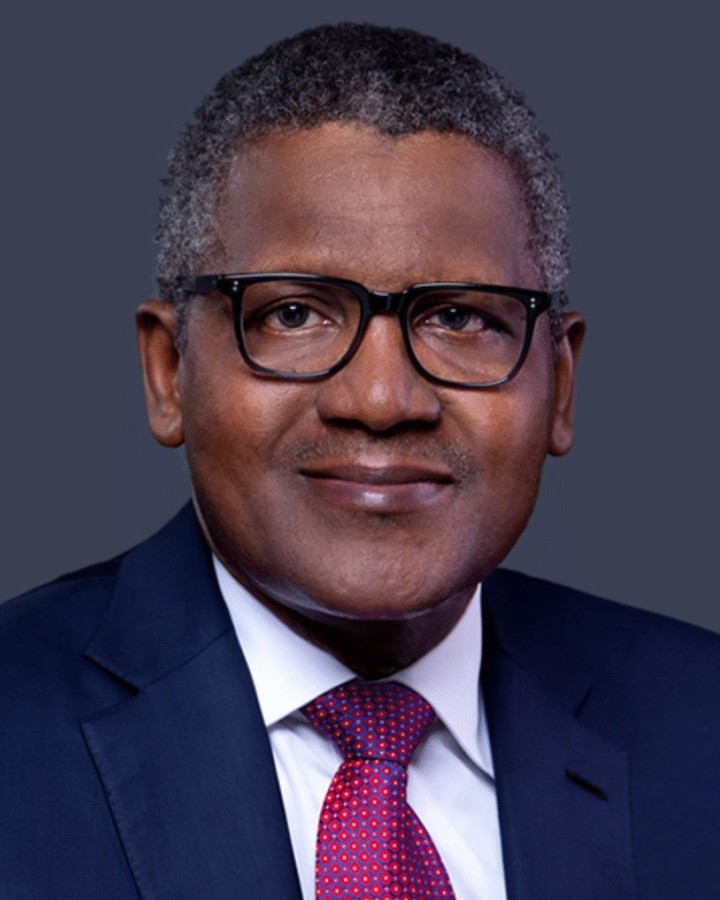
Few entrepreneurs have transformed African business as profoundly as Aliko Dangote. From a young trader in Kano to the founder and chairman of one of Africa’s largest industrial conglomerates, Dangote’s story is one of ambition, calculated risk-taking, resilience, and long-term vision. Over several decades, he has built businesses spanning cement, sugar, salt, flour, fertilizer, petrochemicals, oil refining, logistics, and other sectors, making him one of the most influential business leaders on the African continent.
This Aliko Dangote biography presents a comprehensive and fact-checked account of his life, examining his childhood, education, entrepreneurial journey, business empire, philanthropy, leadership philosophy, achievements, and global influence. Every effort has been made to rely on publicly verifiable information from authoritative sources, including official company publications, interviews, government records, reputable international news organizations, and recognized business publications.
Quick Facts
| Fact | Information |
|---|---|
| Full Name | Aliko Dangote |
| Birth Name | Aliko Dangote |
| Date of Birth | 10 April 1957 |
| Age | 69 (as of 2026) |
| Place of Birth | Kano, Kano State, Nigeria |
| Nationality | Nigerian |
| Ethnicity | Hausa |
| Religion | Islam |
| Occupation | Businessman, Industrialist, Investor |
| Known For | Founder and Chairman of Dangote Group |
| Education | Al-Azhar University, Cairo |
| Marital Status | Divorced |
| Children | Three daughters |
| Company | Dangote Group |
| Major Industries | Cement, Sugar, Salt, Fertilizer, Oil Refining, Petrochemicals |
| Net Worth | Publicly estimated by financial publications; see Net Worth section |
Why Aliko Dangote Is One of Africa’s Most Influential Entrepreneurs
Among African entrepreneurs, few names command as much respect as Aliko Dangote.
For decades, he has consistently ranked as Africa’s richest individual while simultaneously expanding manufacturing capacity across multiple countries. His investments have created thousands of direct and indirect jobs, reduced dependence on imports in several industries, and positioned Nigeria as a major producer of cement and fertilizer.
Unlike many wealthy businessmen whose fortunes are tied primarily to natural resources, Dangote built much of his wealth through manufacturing, industrial production, and large-scale infrastructure investments.
His influence extends beyond business. Governments, international financial institutions, and global investors frequently seek his perspectives on industrialization, African economic development, regional trade, and private-sector growth.
Early Life and Family Background
Aliko Dangote was born on 10 April 1957 in Kano, northern Nigeria, into one of the country’s most respected business families.
His family had a long tradition of commerce dating back generations. This entrepreneurial environment exposed him to business principles from an early age and significantly influenced his future ambitions.
His father, Mohammed Dangote, was a successful businessman. After his father’s death while Aliko was still young, he was raised largely under the guidance of his maternal grandfather, Alhaji Sanusi Dantata, one of the wealthiest merchants in West Africa during his time.
Dantata’s trading empire covered commodities, agriculture, construction materials, and other commercial ventures. Watching his grandfather conduct business left a lasting impression on the young Aliko.
Growing Up in a Business-Oriented Household
Unlike many children, Dangote grew up surrounded by discussions about markets, trading, investment, and commerce.
He has recalled in interviews that he was fascinated by buying and selling from a very young age.
According to Dangote, he enjoyed purchasing cartons of sweets and reselling them to classmates at a profit while still in primary school.
Although these were modest childhood activities, they reflected an entrepreneurial mindset that would later define his career.
Family Heritage
Dangote belongs to a respected business lineage in northern Nigeria.
His grandfather, Alhaji Sanusi Dantata, built one of the largest indigenous trading enterprises in colonial Nigeria.
The family’s reputation was built on:
- Trading.
- Agriculture.
- Commodity distribution.
- Real estate.
- Transport.
- Commercial investments.
Growing up in this environment provided Dangote with valuable exposure to commerce, but he has frequently emphasized that expanding the family legacy required discipline, innovation, and hard work rather than relying solely on inherited advantages.
Childhood Personality
Friends and family have described Dangote as disciplined, focused, and highly ambitious from an early age.
Rather than being satisfied with small successes, he consistently looked for opportunities to expand his activities.
This mindset later became one of the defining characteristics of his business philosophy.
Education and Academic Journey
Dangote completed his early education in Kano.
He attended:
- Sheikh Ali Kumasi Madrasa.
- Capital High School, Kano.
- Government College, Birnin Kudu, Jigawa State.
These schools helped build his academic foundation while allowing him to remain close to his family’s commercial activities.
University Education
After completing secondary education, Dangote traveled to Egypt to pursue higher education.
He attended Al-Azhar University in Cairo, where he studied Business Studies.
Although Al-Azhar is internationally recognized primarily for Islamic scholarship, it also offers programs in commerce and related disciplines.
His university education strengthened his understanding of accounting, management, economics, and commercial operations.
Combined with his practical exposure to family business, this education prepared him for entrepreneurship.
Returning to Nigeria
After graduating, Dangote returned to Nigeria during a period of significant economic opportunity.
Rather than immediately joining the family business permanently, he sought to establish his own commercial enterprise.
This decision reflected his desire to build an independent reputation while benefiting from the experience and guidance of his family.
Receiving Startup Capital
One of the most discussed aspects of Dangote’s entrepreneurial journey is the startup capital he received from his family.
According to Dangote’s own public interviews, his uncle provided him with a loan to start a trading business in the late 1970s.
He has stated that he repaid the loan within a relatively short period through successful trading activities.
This early success demonstrated both his commercial instincts and his ability to manage capital effectively.
Launching His Trading Business
Dangote initially focused on importing and distributing essential commodities.
His early products included:
- Sugar.
- Rice.
- Cement.
- Flour.
- Salt.
- Other consumer goods.
Rather than manufacturing these products initially, he concentrated on building efficient distribution networks throughout Nigeria.
His ability to supply products consistently earned him a growing customer base.
Understanding Market Demand
One of Dangote’s greatest strengths was recognizing unmet demand.
Nigeria’s rapidly growing population required increasing quantities of food products, construction materials, and household goods.
Dangote realized that reliable supply chains could become highly profitable if managed efficiently.
Instead of diversifying too quickly, he focused on mastering commodity trading and logistics.
Building Trust in Business
From the beginning of his career, Dangote emphasized several business principles:
- Reliability.
- Prompt delivery.
- Strong relationships with suppliers.
- Financial discipline.
- Long-term thinking.
- Customer satisfaction.
These principles helped distinguish his company from many competitors.
As his reputation grew, banks became increasingly willing to finance expansion.
The Birth of Dangote Group
As trading operations expanded, Dangote gradually transformed his business into what would eventually become the Dangote Group.
The company evolved from a relatively small trading enterprise into a diversified industrial conglomerate.
Rather than remaining dependent on imports indefinitely, Dangote began considering an ambitious strategy that would later redefine African manufacturing.
Instead of importing products, why not manufacture them locally?
This question would shape the next phase of his business empire and ultimately change the industrial landscape of Nigeria.
A Vision Beyond Trading
By the late 1980s and early 1990s, Dangote had become convinced that Africa needed more factories rather than more imports.
He believed that local manufacturing could:
- Create employment.
- Reduce foreign exchange pressure.
- Improve national self-sufficiency.
- Strengthen industrial development.
- Increase exports.
- Support long-term economic growth.
This philosophy marked a turning point in his entrepreneurial journey.
The transition from trader to industrial manufacturer would become the foundation of one of Africa’s largest business empires.
Transition from Trading to Manufacturing
The second phase of the Aliko Dangote Biography is defined by one of the most significant strategic shifts in African business history. While many entrepreneurs would have remained satisfied with a profitable trading company, Aliko Dangote believed Nigeria needed to produce more of what it consumed.
He observed that importing basic commodities generated profits, but manufacturing them locally could create greater long-term value. Local production would reduce import dependence, create jobs, strengthen industrial capacity, and help conserve Nigeria’s foreign exchange reserves.
This vision became the cornerstone of the Dangote Group’s transformation from a trading company into Africa’s largest industrial conglomerate.
The Philosophy of Backward Integration
A key concept behind Dangote’s strategy was backward integration.
Instead of importing finished goods, the company invested in producing raw materials and manufacturing products within Nigeria. This approach gave the business greater control over supply chains, reduced production costs over time, and improved operational efficiency.
Backward integration also aligned with the Nigerian government’s industrialization objectives by encouraging domestic production and reducing reliance on imports.
Expansion into Sugar Production
One of Dangote Group’s earliest manufacturing successes came in the sugar industry.
Nigeria had long relied heavily on imported refined sugar. Dangote invested substantially in refining capacity, enabling the company to process imported raw sugar domestically while also supporting long-term plans for local sugar production.
Today, Dangote Sugar Refinery has become one of Africa’s largest sugar refining companies, supplying households, food manufacturers, and industrial customers across Nigeria.
Beyond refining, the company has continued investing in large-scale sugar plantation projects aimed at increasing domestic production.
Becoming a Leader in Salt Production
The company also expanded into salt production.
Before Dangote’s investments, much of Nigeria’s processed salt was imported.
Through significant investments in refining and packaging facilities, Dangote Group established itself as one of the country’s leading producers of edible salt.
Its products quickly became household names throughout Nigeria.
Flour and Food Manufacturing
As demand for food products continued to grow, Dangote expanded into flour milling and related food industries.
The company’s investments supported Nigeria’s growing baking, food processing, and consumer goods sectors.
Although Dangote Group later restructured portions of its flour business, the expansion reflected the company’s broader strategy of reducing dependence on imported processed foods.
Entering the Cement Industry
Perhaps no single investment transformed Dangote Group more than its entry into cement manufacturing.
At the time, Nigeria imported significant quantities of cement despite abundant limestone deposits.
Dangote recognized that local production could meet domestic demand while eventually supplying neighboring countries.
The decision required billions of dollars in long-term investment, but it would become the company’s most successful venture.
Building Dangote Cement
The company invested heavily in modern cement plants equipped with advanced production technology.
Instead of relying on imported cement, Nigeria increasingly produced cement domestically.
Major manufacturing facilities were established in several locations, including:
- Obajana, Kogi State.
- Ibese, Ogun State.
- Gboko, Benue State.
These factories became among the largest cement manufacturing facilities in Africa.
Obajana Cement Plant
The Obajana Cement Plant is widely regarded as one of the largest cement plants on the African continent.
Its construction represented one of the biggest private industrial investments in Nigeria’s history.
The plant significantly increased Nigeria’s production capacity and reduced dependence on imported cement.
It also created thousands of direct and indirect jobs during construction and operation.
From Importer to Exporter
Within a relatively short period, Nigeria’s cement industry underwent a remarkable transformation.
Instead of importing large quantities of cement, the country became increasingly self-sufficient.
Dangote Cement eventually expanded exports to several African markets, supporting regional trade and industrial development.
This transition became one of the most cited examples of successful industrial policy combined with private-sector investment in Africa.
Listing on the Nigerian Exchange
As the business expanded, Dangote Cement became listed on the Nigerian Stock Exchange (now Nigerian Exchange Group).
The listing enabled broader investor participation and increased corporate transparency through public reporting requirements.
Over time, Dangote Cement became one of the most valuable publicly listed companies in Nigeria by market capitalization.
Its strong financial performance attracted both domestic and international investors.
Expansion Across Africa
Dangote’s ambitions extended far beyond Nigeria.
He believed that Africa’s growing population and infrastructure needs created significant opportunities for industrial investment.
Dangote Cement gradually established operations in multiple African countries, including:
- Ethiopia.
- Senegal.
- Zambia.
- Tanzania.
- Cameroon.
- Republic of the Congo.
- South Africa.
- Ghana.
- Sierra Leone.
- Liberia.
While the scale and nature of operations differ from country to country, this expansion made Dangote Cement one of the largest cement producers on the continent.
Investing Billions in African Manufacturing
Unlike many companies that focused primarily on trading or resource extraction, Dangote Group committed substantial capital to manufacturing facilities.
Its investments included:
- Cement plants.
- Sugar refineries.
- Salt processing facilities.
- Fertilizer production.
- Packaging operations.
- Logistics infrastructure.
- Warehousing.
These investments reflected Dangote’s long-term belief that industrialization is essential for Africa’s economic transformation.
Building Efficient Logistics
Manufacturing at such a large scale required reliable logistics.
Dangote Group invested heavily in transportation and distribution networks, including:
- Truck fleets.
- Warehousing.
- Bulk handling systems.
- Supply chain technology.
- Distribution centers.
Efficient logistics enabled the company to deliver products across Nigeria and neighboring countries while maintaining competitive pricing.
Leadership Style
Employees and business associates frequently describe Dangote as a disciplined and highly demanding leader.
Several characteristics define his management approach:
- Strong attention to operational efficiency.
- Long-term strategic planning.
- Data-driven decision-making.
- Continuous expansion.
- High performance expectations.
- Cost control.
He has often emphasized that business success depends on consistent execution rather than short-term opportunities.
Reinvesting Profits
One of Dangote’s defining business principles has been reinvestment.
Instead of prioritizing luxury spending or rapid diversification into unrelated sectors, he consistently reinvested profits into expanding production capacity.
This strategy allowed Dangote Group to finance large industrial projects while steadily increasing its market share.
Weathering Economic Challenges
Like every major business, Dangote Group has faced difficult periods.
Among the challenges have been:
- Exchange rate volatility.
- Changes in government policy.
- Rising energy costs.
- Inflation.
- Infrastructure limitations.
- Global commodity price fluctuations.
Rather than abandoning long-term investments during challenging periods, Dangote generally maintained an expansion strategy focused on future growth.
Becoming Africa’s Richest Person
As Dangote Cement and the broader Dangote Group continued to expand, Aliko Dangote’s personal wealth increased significantly.
International financial publications, particularly Forbes, consistently ranked him as Africa’s richest individual for many consecutive years.
His wealth has fluctuated over time, largely reflecting:
- Stock market performance.
- Exchange rate movements.
- Company valuations.
- New industrial investments.
- Global economic conditions.
These rankings underscore the scale of his business success, although exact net worth estimates vary with market conditions.
Diversifying Beyond Cement
While cement became the flagship business, Dangote continued expanding into other strategic industries.
These included:
- Fertilizer production.
- Petrochemicals.
- Oil refining.
- Agriculture.
- Packaging.
- Mining.
- Energy.
Rather than pursuing diversification for its own sake, the company focused on sectors considered essential to Africa’s industrial development.
Preparing for the Largest Industrial Project
By the early 2010s, Dangote had already transformed Nigeria’s cement industry and built one of Africa’s largest manufacturing groups.
Yet he believed an even greater opportunity remained.
Nigeria continued importing large volumes of refined petroleum products despite being one of the world’s leading crude oil producers.
Dangote announced plans to build what would become one of the world’s largest single-train oil refineries—an ambitious project that many observers initially considered too complex and expensive to complete.
The refinery would become the defining industrial project of the next phase of his career.
Building the Dangote Refinery: Africa’s Largest Industrial Project
The third chapter of the Aliko Dangote Biography centers on what is widely regarded as the most ambitious private-sector industrial investment in African history—the Dangote Petroleum Refinery.
For decades, Nigeria exported crude oil but imported much of its refined petroleum products, including petrol, diesel, and aviation fuel. This paradox exposed the country to foreign exchange pressures, supply disruptions, and rising fuel costs.
Dangote believed Nigeria could reverse this trend by refining crude oil locally on a massive scale. The result was a multibillion-dollar project that would redefine Africa’s energy landscape.
Choosing the Lekki Free Zone
The refinery was constructed in the Lekki Free Zone in Lagos State.
The location was selected because it provided access to:
- Deep-sea shipping.
- Large-scale industrial land.
- Export infrastructure.
- Future petrochemical expansion.
- Logistics connectivity.
Building an industrial complex of this size required the development of roads, marine facilities, pipelines, storage tanks, power systems, and other supporting infrastructure.
One of the World’s Largest Single-Train Refineries
The Dangote Petroleum Refinery was designed with a refining capacity of approximately 650,000 barrels of crude oil per day, making it one of the largest single-train refineries in the world.
The integrated complex also includes:
- Petrochemical facilities.
- Fertilizer production.
- Marine infrastructure.
- Large storage terminals.
- Power generation systems.
The project represented years of planning, engineering, financing, and construction involving thousands of workers and international technical partners.
Overcoming Construction Challenges
Building a project of this magnitude was far from straightforward.
The company encountered numerous obstacles, including:
- Supply chain disruptions.
- Engineering complexities.
- Financing requirements.
- Global economic uncertainty.
- COVID-19 pandemic delays.
- Inflation in construction costs.
Despite these setbacks, Dangote maintained his commitment to completing the project, describing it as a long-term investment in Nigeria’s industrial future.
Commencement of Operations
The refinery was officially inaugurated in 2023.
Following commissioning, production increased in phases as different processing units became operational.
By 2025 and into 2026, the refinery had significantly expanded output of refined petroleum products, supplying the Nigerian market and exporting to other countries.
Industry analysts have noted that the refinery has the potential to reduce Nigeria’s dependence on imported fuel while strengthening regional energy security.
Dangote Fertilizer Plant
Alongside the refinery, Dangote invested heavily in fertilizer production.
The Dangote Fertilizer Plant is among Africa’s largest fertilizer manufacturing facilities.
Its production supports:
- Nigerian farmers.
- Agricultural productivity.
- Food security.
- Export earnings.
- Regional agricultural development.
The availability of locally produced fertilizer has reduced dependence on imports and strengthened Nigeria’s agricultural supply chain.
Petrochemical Expansion
Dangote’s industrial vision extends beyond refining petroleum.
The integrated complex includes petrochemical facilities capable of producing raw materials used in manufacturing industries.
These products support sectors such as:
- Plastics.
- Packaging.
- Consumer goods.
- Textiles.
- Industrial manufacturing.
By producing these materials domestically, Nigeria can reduce imports while encouraging further industrial development.
Creating Jobs and Industrial Capacity
The Dangote Group has become one of Africa’s largest private-sector employers.
Its operations generate:
- Direct employment.
- Indirect employment.
- Construction jobs.
- Logistics opportunities.
- Supply-chain businesses.
- Technical training.
The broader economic impact extends to transport companies, suppliers, contractors, distributors, and service providers across multiple industries.
Dangote Foundation
While Dangote is widely recognized for his business achievements, philanthropy has also become a significant part of his public legacy.
The Aliko Dangote Foundation, established in 1994, is one of the largest private charitable foundations in sub-Saharan Africa.
Its mission focuses on improving lives through strategic investments in health, education, nutrition, and economic empowerment.
Education Initiatives
Education remains a central pillar of the foundation’s work.
Its initiatives have included:
- Scholarships.
- School infrastructure.
- Teacher support.
- Educational partnerships.
- Student development programs.
The foundation has collaborated with governments and development organizations to improve educational outcomes across Nigeria.
Healthcare Programs
The foundation has invested significantly in healthcare.
Areas of support include:
- Disease prevention.
- Nutrition.
- Maternal and child health.
- Emergency humanitarian assistance.
- Public health partnerships.
It has also supported campaigns targeting diseases such as polio in collaboration with international organizations.
COVID-19 Response
During the COVID-19 pandemic, Dangote played a prominent role in Nigeria’s private-sector response.
Working with other business leaders through the Coalition Against COVID-19 (CACOVID), he helped mobilize resources to support:
- Medical equipment procurement.
- Isolation centers.
- Food relief programs.
- Public awareness campaigns.
- Healthcare infrastructure.
The coalition demonstrated how collaboration between government and the private sector could address national emergencies.
Global Recognition
Aliko Dangote has received numerous honors throughout his career.
His contributions to business and industrial development have earned recognition from governments, universities, business organizations, and international institutions.
Among his notable recognitions are:
- Grand Commander of the Order of the Niger (GCON), one of Nigeria’s highest national honors.
- Multiple listings among the world’s most influential people by international business publications.
- Recognition as Africa’s richest person by Forbes for many consecutive years.
- Honorary degrees from several universities.
These awards reflect both his commercial success and his broader contribution to economic development.
Memberships and International Influence
Dangote has participated in several influential global organizations and advisory groups.
Over the years, he has worked with or served on initiatives involving:
- The World Economic Forum.
- The United Nations.
- The African Union.
- Global business councils.
- International investment forums.
His views on industrialization, manufacturing, and African economic development are frequently sought by policymakers and investors.
Leadership Philosophy
Dangote has consistently emphasized several principles that have guided his business career:
- Think long term.
- Invest in production rather than speculation.
- Build strong institutions.
- Reinvest profits.
- Focus on execution.
- Create value through manufacturing.
- Never stop expanding.
He has often argued that Africa’s greatest opportunity lies in producing goods locally rather than relying heavily on imports.
Challenges and Criticism
Like many prominent business leaders, Dangote’s career has not been without criticism and controversy.
Public discussions have included topics such as:
- Market competition.
- Government policy.
- Regulatory issues.
- Import restrictions.
- Industrial incentives.
- Business dominance in certain sectors.
Dangote has generally maintained that his investments align with Nigeria’s industrial development goals and that large-scale manufacturing requires long-term policy support.
Where differing views exist, they reflect broader debates about industrial policy, competition, and economic strategy rather than settled factual conclusions.
Personal Life
Despite his public profile, Dangote maintains a relatively private personal life.
He has been married in the past and is divorced.
He is the father of three daughters and has generally kept details of his family out of the public spotlight.
His younger brother, Sani Dangote, was also a businessman and served in leadership roles within the Dangote Group before his passing in 2021.
Outside business, Dangote has expressed an interest in sports and has supported initiatives aimed at promoting youth development.
Net Worth
Aliko Dangote’s wealth has been extensively tracked by international financial publications.
According to Forbes’ Real-Time Billionaires List, his net worth fluctuates with the market value of his publicly traded companies and other business assets.
Because these figures change frequently based on stock prices, exchange rates, and company valuations, any exact amount represents an estimate rather than a fixed value.
Readers seeking the latest publicly reported estimate should consult Forbes’ current billionaire rankings.
Official Website and Verified Social Media
Official Website
- Dangote Group: www.dangote.com
Verified Social Media
- X (formerly Twitter): x.com/alikodangote (if verified and active at the time of viewing).
- LinkedIn: Dangote Group maintains an official presence.
As of this writing, Dangote’s public communication is primarily conducted through the Dangote Group’s official channels rather than frequent personal social media activity.
Career Timeline
| Year | Milestone |
|---|---|
| 1957 | Born in Kano, Nigeria |
| Late 1970s | Started his trading business with family loan capital |
| 1981 | Founded Dangote Group |
| 1990s | Expanded into manufacturing |
| 2000 | Major investment in cement production |
| 2007 | Dangote Cement expanded significantly |
| 2010 | Dangote Cement listed on the Nigerian Stock Exchange |
| 2013 | Announced major refinery development milestones |
| 2021 | Commissioned Dangote Fertilizer Plant |
| 2023 | Inaugurated Dangote Petroleum Refinery |
| 2025–2026 | Expanded refinery operations and regional fuel exports |
Legacy and Influence
Aliko Dangote’s legacy reaches far beyond his status as Africa’s richest businessman.
He has fundamentally changed how industrial investment is viewed across the continent. By building large-scale manufacturing plants instead of relying primarily on imports, he demonstrated that African companies can compete globally in capital-intensive industries.
His investments have influenced government policy, inspired entrepreneurs, attracted international investors, and contributed to Nigeria’s industrial capacity.
Whether through cement, fertilizer, sugar, or refining, his businesses have become deeply integrated into the economic development of Nigeria and several other African countries.
Many analysts regard him as one of the architects of modern African industrialization.
Dangote Group: A Diversified Industrial Conglomerate
By the mid-2020s, the Dangote Group had evolved into one of the largest and most diversified business groups in Africa. From its beginnings as a commodity trading company, it now operates across manufacturing, energy, agriculture, logistics, and infrastructure.
The Group’s strategy has consistently focused on sectors that are essential to economic development and import substitution.
Major Companies and Business Interests
The Dangote Group includes or has significant interests in businesses such as:
- Dangote Cement Plc – Africa’s largest cement producer with operations in several African countries.
- Dangote Sugar Refinery Plc – One of Africa’s leading sugar refining companies.
- Dangote Petroleum Refinery – One of the world’s largest single-train oil refineries.
- Dangote Fertilizer Limited – One of Africa’s largest urea fertilizer plants.
- Dangote Petrochemicals – Producing polypropylene and other petrochemical products.
- NASCON Allied Industries Plc – Producer of edible salt and seasoning products.
- Dangote Packaging Limited – Manufacturing industrial packaging materials.
- Dangote Logistics – Supporting transportation and distribution across Nigeria and Africa.
- Dangote Industries Limited (DIL) – The parent company overseeing the Group’s major industrial businesses.
Through these companies, the Group serves millions of customers while supporting industries ranging from construction and agriculture to energy and consumer goods.
Investment Philosophy
One of Dangote’s defining characteristics has been his preference for long-term investments.
Rather than seeking quick returns, he has consistently invested in industries requiring significant capital and patience.
His investment principles include:
- Building large-scale production facilities.
- Reinvesting profits into expansion.
- Supporting domestic manufacturing.
- Creating employment opportunities.
- Investing where demand is expected to grow over decades.
- Reducing reliance on imports.
This philosophy has distinguished him from many entrepreneurs whose businesses rely primarily on trading or short-term market opportunities.
Influence on African Industrialization
Dangote has repeatedly argued that Africa’s future depends on industrialization.
He believes that the continent should move beyond exporting raw materials and instead process, manufacture, and add value locally.
His investments have influenced policymakers across Africa to encourage:
- Local manufacturing.
- Industrial parks.
- Private-sector investment.
- Infrastructure development.
- Regional trade.
- Export-oriented industries.
The success of Dangote Cement in particular has been cited as a model for import substitution and industrial expansion.
Awards and Recognitions
Over the course of his career, Aliko Dangote has received numerous honors from governments, universities, and international organizations.
Some of his most notable recognitions include:
- Grand Commander of the Order of the Niger (GCON) – One of Nigeria’s highest national honors.
- Multiple appearances on Forbes Africa’s Richest list.
- Recognition among the world’s most influential people by leading international publications.
- Honorary doctorate degrees from several universities.
- African Business Leader awards from regional and international organizations.
- Leadership awards recognizing his contributions to manufacturing, philanthropy, and economic development.
These awards acknowledge not only his commercial success but also his impact on Africa’s economic transformation.
Philanthropic Legacy
The Aliko Dangote Foundation remains one of the largest charitable foundations in Africa.
Its programs focus on:
- Education.
- Public health.
- Nutrition.
- Humanitarian relief.
- Women’s empowerment.
- Youth development.
- Economic opportunity.
The Foundation has partnered with governments, international organizations, and local communities to improve access to healthcare, support vulnerable populations, and strengthen educational opportunities.
Its contributions during the COVID-19 pandemic further highlighted the role of private philanthropy in responding to national emergencies.
Leadership Lessons from Aliko Dangote
Dangote’s career offers several lessons for aspiring entrepreneurs:
- Think beyond immediate profits.
- Invest in industries that solve real problems.
- Build systems rather than depending on individuals.
- Develop strong relationships with stakeholders.
- Remain disciplined during economic downturns.
- Reinvest earnings to fuel long-term growth.
- Focus on execution as much as vision.
He has frequently emphasized that persistence and careful planning are essential ingredients for business success.
Selected Verified Quotes
Several statements made by Dangote have become widely quoted in business circles:
“To build a successful business, you must start small and dream big.”
“Manufacturing creates jobs, wealth, and long-term prosperity.”
“Africa should produce what it consumes.”
These quotations reflect his longstanding belief in industrial development and entrepreneurship.
Interesting Facts About Aliko Dangote
- He began trading while still a child by selling sweets to classmates.
- He built his first business using a family loan, which he has publicly stated he repaid quickly.
- He has remained Africa’s richest person for many years according to Forbes rankings.
- Dangote Cement operates in multiple African countries.
- His refinery project is among the largest private industrial investments in African history.
- He is one of Africa’s best-known philanthropists.
- He has consistently advocated for African industrialization and economic self-sufficiency.
Official Website
Dangote Group
Verified Social Media
X (formerly Twitter)
www.linkedin.com/company/dangote-group/
As of this writing, Dangote Group maintains active corporate communication channels. Aliko Dangote himself maintains a relatively limited public presence on social media compared with many global business leaders.
Legacy and Global Influence
Few African entrepreneurs have reshaped the continent’s economic landscape as profoundly as Aliko Dangote. His journey from a young commodity trader in Kano to the founder of a multinational industrial empire demonstrates what long-term vision, disciplined execution, and strategic investment can achieve.
Beyond personal wealth, his most enduring contribution lies in proving that African-owned businesses can successfully undertake projects once considered beyond the continent’s private sector. His investments in cement, fertilizer, sugar, petrochemicals, and refining have helped expand industrial capacity, create employment, reduce import dependence, and stimulate regional trade.
Through the Aliko Dangote Foundation, he has also shown a sustained commitment to improving lives through education, healthcare, nutrition, and humanitarian assistance, reinforcing the idea that business success and social responsibility can go hand in hand.
As one of the most influential business leaders of the 21st century, Aliko Dangote’s legacy is measured not only by his companies or wealth but by his role in redefining African entrepreneurship and inspiring future generations to build globally competitive enterprises from the continent.
With decades of transformative investment and leadership, his story remains one of the most compelling examples of industrial vision, resilience, and economic impact in modern African history.
Also read: Okonjo-Iweala Biography: The Extraordinary Journey of Africa’s First Woman to Lead the World Trade
Frequently Asked Questions
Who is Aliko Dangote?
Aliko Dangote is a Nigerian businessman, investor, industrialist, and philanthropist. He is the founder and chairman of the Dangote Group, one of Africa’s largest industrial conglomerates.
When was Aliko Dangote born?
He was born on 10 April 1957.
Where is Aliko Dangote from?
He was born in Kano, Kano State, Nigeria.
What is Aliko Dangote famous for?
He is best known for building the Dangote Group, becoming Africa’s richest person, and investing in large-scale manufacturing, cement, fertilizer, and petroleum refining.
Which university did Dangote attend?
He studied Business Studies at Al-Azhar University in Cairo, Egypt.
Who are Aliko Dangote’s parents?
His father was Mohammed Dangote, while he was largely raised by his maternal grandfather, Alhaji Sanusi Dantata, a renowned businessman.
Is Aliko Dangote married?
Publicly available information indicates that he is divorced.
How many children does Aliko Dangote have?
He has three daughters.
What companies does Dangote own?
His business interests include Dangote Cement, Dangote Sugar Refinery, Dangote Petroleum Refinery, Dangote Fertilizer, NASCON Allied Industries, and several other companies under Dangote Industries Limited.
What is Aliko Dangote’s net worth?
His net worth is publicly estimated by reputable financial publications such as Forbes and Bloomberg and changes regularly with market valuations.
Why is the Dangote Refinery important?
The refinery is expected to significantly reduce Nigeria’s dependence on imported refined petroleum products, strengthen regional fuel supplies, and support industrial growth.
What is the Aliko Dangote Foundation?
It is the philanthropic arm of the Dangote Group, supporting healthcare, education, nutrition, humanitarian relief, and economic development initiatives across Africa.
What religion is Aliko Dangote?
He is a Muslim.
Has Aliko Dangote received national honors?
Yes. He has received the Grand Commander of the Order of the Niger (GCON), one of Nigeria’s highest national honors.
What is Aliko Dangote’s biggest achievement?
Many analysts regard the creation of Africa’s largest manufacturing conglomerate and the development of the Dangote Petroleum Refinery as his greatest achievements.














+ There are no comments
Add yours