






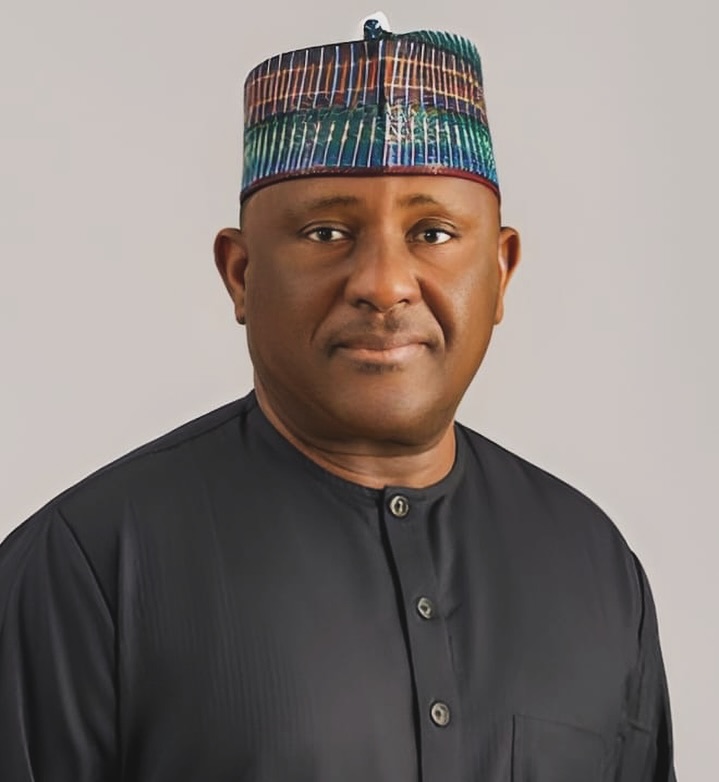
Abdul Samad Rabiu biography is the remarkable story of a businessman who transformed inherited experience into one of Africa’s most successful industrial conglomerates. As the Founder and Executive Chairman of BUA Group, Abdul Samad Rabiu has played a major role in Nigeria’s manufacturing, cement, food processing, sugar refining, infrastructure, and philanthropy sectors.
Unlike many billionaires whose fortunes are tied primarily to technology or finance, Rabiu built his wealth by investing in industries that produce essential goods for millions of Africans. His companies manufacture cement used in construction, food products consumed daily by households, and industrial materials that support economic development.
Today, he is widely regarded as one of Nigeria’s most influential entrepreneurs and philanthropists. His leadership of BUA Group and the Abdul Samad Rabiu Africa Initiative (ASR Africa) has positioned him as a prominent figure in African business and social development.
Quick Facts
| Full Name | Abdul Samad Isyaku Rabiu |
|---|---|
| Popular Name | Abdul Samad Rabiu |
| Date of Birth | 4 August 1960 |
| Age | 66 (as of 2026) |
| Place of Birth | Kano, Kano State, Nigeria |
| Nationality | Nigerian |
| Ethnicity | Hausa |
| Religion | Islam |
| Occupation | Businessman, Industrialist, Philanthropist |
| Education | Economics, Capital University, Columbus, Ohio, USA |
| Company | BUA Group |
| Position | Founder and Executive Chairman |
| Major Companies | BUA Cement Plc, BUA Foods Plc |
| Philanthropic Organization | ASR Africa |
| National Honours | CON, CFR |
| Known For | Manufacturing, Cement, Sugar, Food Processing, Philanthropy |
Why Abdul Samad Rabiu Is Important
Few entrepreneurs have influenced Nigeria’s industrial development as significantly as Abdul Samad Rabiu.
Rather than concentrating on trading alone, he invested heavily in local manufacturing, helping expand domestic production of cement, sugar, flour, pasta, edible oils, and other essential products.
His long-term investments have contributed to:
- Industrialization.
- Job creation.
- Import substitution.
- Infrastructure development.
- Economic diversification.
His success has also made him one of Africa’s wealthiest individuals, with wealth estimates published annually by organizations such as Forbes and Bloomberg. These estimates fluctuate with market values and should be regarded as estimates rather than official declarations of personal wealth.
Early Life and Family Background
Abdul Samad Rabiu was born on 4 August 1960 in Kano, one of Nigeria’s oldest commercial cities.
He was born into one of northern Nigeria’s best-known business families.
His father, Khalifah Isyaku Rabiu, was a renowned industrialist and businessman whose interests included manufacturing, textiles, trading, finance, and real estate. During the 1970s and 1980s, Isyaku Rabiu became one of Nigeria’s most influential entrepreneurs.
Growing up in Kano exposed Abdul Samad Rabiu to commerce from an early age. The city has historically served as a major trading hub linking West Africa with North Africa and beyond.
Learning Business from Childhood
Unlike many children who encounter business later in life, Rabiu grew up in an environment where entrepreneurship was part of everyday family life.
Watching his father’s business operations gave him early exposure to:
- Trading.
- Negotiation.
- Supply chains.
- Manufacturing.
- Investment.
- Risk management.
These experiences helped shape the entrepreneurial mindset that later defined his career.
Education and Academic Journey
Seeking higher education abroad, Abdul Samad Rabiu enrolled at Capital University in Columbus, Ohio, where he studied Economics.
His university education introduced him to modern economic principles, international business, and financial management.
Although he enjoyed studying in the United States, events at home soon altered the course of his life.
Returning to Nigeria
While Rabiu was studying abroad, Nigeria experienced major political and economic changes.
His father encountered legal and business challenges during the military administration of General Muhammadu Buhari in the mid-1980s.
As a result, Abdul Samad Rabiu returned to Nigeria at a relatively young age to help oversee the family’s business interests.
This unexpected responsibility became the foundation of his future entrepreneurial success.
Managing the Family Business
Taking on leadership responsibilities early required maturity and determination.
Instead of merely preserving the family’s commercial interests, Rabiu gained practical experience in:
- Procurement.
- International trade.
- Commodity markets.
- Import logistics.
- Corporate management.
These years gave him a deep understanding of how Nigerian businesses operated during periods of economic uncertainty.
Establishing BUA International
In 1988, Abdul Samad Rabiu founded BUA International Limited, marking the beginning of what would later become BUA Group.
The company initially focused on importing and trading commodities such as:
- Rice.
- Edible oil.
- Flour.
- Iron.
- Steel.
- Chemicals.
Starting with commodity trading allowed the company to build relationships with suppliers, customers, and financial institutions before expanding into manufacturing.
A Strategic Opportunity
A major breakthrough came when BUA secured an arrangement with the government-owned Delta Steel Company.
Under the agreement, BUA supplied raw materials in exchange for finished steel products.
The transaction provided the young company with valuable experience, improved cash flow, and opportunities for expansion into Nigeria’s growing steel sector.
Expanding into Steel
Rather than remaining solely an importer, Rabiu recognized the importance of participating further along the industrial value chain.
BUA expanded into:
- Steel production.
- Billet manufacturing.
- Iron ore importation.
- Rolling mill operations.
This strategy reflected Rabiu’s long-term philosophy of creating value through manufacturing rather than relying exclusively on imports.
Vision Beyond Trading
Many entrepreneurs remain traders throughout their careers.
Rabiu pursued a different path.
He believed Nigeria needed stronger domestic production capabilities to reduce dependence on imported goods.
This philosophy would eventually shape every major investment undertaken by BUA Group.
Entering the Food Industry
As the company expanded, Rabiu identified another opportunity in food processing.
Nigeria’s growing population was increasing demand for staple foods, creating opportunities for local manufacturing.
BUA began investing in food production to meet this demand while reducing dependence on imported finished products.
Acquisition of Nigerian Oil Mills
One of the company’s significant early manufacturing milestones was the acquisition of Nigerian Oil Mills Limited, then one of the country’s largest edible oil processing companies.
The acquisition strengthened BUA’s presence in food manufacturing and demonstrated Rabiu’s preference for acquiring and modernizing existing industrial assets alongside developing new facilities.
Flour Milling Expansion
Building on its success in edible oils, BUA expanded into flour milling.
The company established major flour mills in:
- Lagos.
- Kano.
These investments increased domestic food processing capacity and laid the groundwork for BUA Foods’ future growth.
Building for the Long Term
By the early 2000s, it had become clear that Abdul Samad Rabiu was pursuing a long-term industrial strategy rather than short-term commercial gains.
His investments consistently focused on sectors essential to national development, including food security, construction, and manufacturing.
This approach distinguished him from many entrepreneurs who concentrated primarily on import-based commerce.
Expanding Beyond Trading Into Manufacturing
By the early 2000s, Abdul Samad Rabiu had already established BUA as a respected trading and manufacturing company. However, he believed that Nigeria’s future depended on producing more goods locally rather than relying heavily on imports.
This vision became the driving force behind BUA Group’s transformation. Instead of focusing on one industry, the company invested in sectors considered essential to national development, including cement, sugar, flour, edible oils, and infrastructure.
Rabiu’s strategy was straightforward: identify products Nigeria imported in large quantities and build local industries capable of producing them competitively.
Building BUA Group
Over the years, BUA International evolved into BUA Group, one of Africa’s largest privately owned conglomerates.
The Group’s operations eventually expanded across multiple sectors, including:
- Cement manufacturing
- Sugar refining
- Flour milling
- Pasta production
- Edible oils
- Rice processing
- Ports and logistics
- Real estate
- Infrastructure development
This diversification helped reduce business risk while positioning the company as a key contributor to Nigeria’s industrialization.
Entering the Sugar Industry
One of BUA Group’s most important investments came in sugar refining.
Nigeria had long depended on imported refined sugar despite its large consumer market.
Rabiu saw an opportunity to establish large-scale local refining capacity while supporting the Federal Government’s backward integration policy, which encourages domestic production.
BUA invested heavily in sugar refining facilities, eventually becoming one of Nigeria’s leading sugar producers.
BUA Sugar Refinery
The company established modern sugar refineries with significant production capacity.
These facilities process imported raw sugar into refined sugar used by:
- Households
- Food manufacturers
- Beverage companies
- Bakeries
- Confectionery producers
Beyond refining, BUA has also invested in sugar plantation development as part of efforts to increase local production of sugarcane over time.
Commitment to Backward Integration
Rabiu has consistently supported Nigeria’s industrial policies that encourage companies to produce more raw materials locally.
Through BUA’s sugar projects, the company has invested in:
- Sugar plantations
- Irrigation systems
- Agricultural development
- Rural infrastructure
- Employment generation
These projects aim to reduce Nigeria’s dependence on imported sugar while creating opportunities for local farmers and surrounding communities.
Entering the Cement Industry
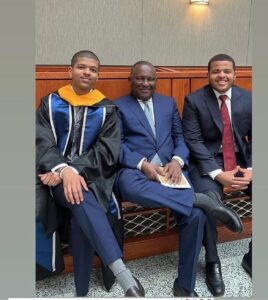
Perhaps no investment has defined Abdul Samad Rabiu’s business career more than cement manufacturing.
Construction is one of the largest sectors of Nigeria’s economy, making cement a strategic product for national development.
Recognizing the country’s growing demand, BUA entered the cement industry with the goal of becoming a major domestic producer.
Acquiring Cement Assets
BUA expanded into cement through a combination of acquisitions and new investments.
The company acquired existing cement assets and modernized them while simultaneously constructing new production facilities.
This approach allowed BUA to increase production capacity relatively quickly while improving operational efficiency.
Obu Cement Plant
One of BUA’s flagship investments is the Obu Cement Plant in Edo State.
The complex has undergone multiple expansion phases over the years.
Today, it is among Nigeria’s largest integrated cement manufacturing facilities.
Its operations include:
- Limestone mining
- Clinker production
- Cement grinding
- Packaging
- Distribution
The integrated structure enables greater efficiency and cost control.
Sokoto Cement Operations
BUA also invested heavily in cement production in Sokoto State.
These facilities strengthened the company’s presence in northern Nigeria while improving cement supply across the region.
The investments also contributed to local employment and infrastructure development.
Formation of BUA Cement Plc
A major milestone came in 2020 when BUA Cement Plc emerged following the merger of Cement Company of Northern Nigeria (CCNN) Plc and Obu Cement Company Plc.
The merger created one of Nigeria’s largest cement manufacturers and significantly strengthened BUA’s position within the industry.
Following its listing on the Nigerian Exchange (NGX), BUA Cement became one of the country’s largest publicly traded companies by market capitalization.
Competition in Nigeria’s Cement Industry
Nigeria’s cement industry is highly competitive.
BUA Cement competes with other major manufacturers while benefiting from strong domestic demand driven by:
- Housing development
- Road construction
- Bridges
- Commercial real estate
- Government infrastructure projects
Rabiu has repeatedly emphasized that healthy competition benefits consumers through improved quality and increased production capacity.
Investment in Food Manufacturing
Beyond cement, BUA continued expanding its food manufacturing business.
Its operations eventually included:
- Flour production
- Pasta manufacturing
- Sugar refining
- Rice processing
- Edible oils
These businesses later became consolidated under BUA Foods Plc.
BUA Foods Plc
BUA Foods became one of Nigeria’s largest food manufacturing companies.
Its products serve millions of consumers nationwide through wholesalers, retailers, supermarkets, restaurants, and food manufacturers.
The company’s operations are designed to improve food security while supporting domestic industrial production.
Following its listing on the Nigerian Exchange, BUA Foods quickly became one of Nigeria’s largest listed consumer goods companies.
Ports and Logistics
Recognizing that logistics play a critical role in manufacturing, BUA invested in port infrastructure and terminal operations.
These investments improved the movement of:
- Raw materials
- Finished products
- Industrial equipment
- Agricultural commodities
Efficient logistics have become one of the competitive advantages supporting the Group’s manufacturing operations.
Investing During Difficult Economic Periods
One characteristic frequently associated with Abdul Samad Rabiu’s leadership is his willingness to invest during periods of economic uncertainty.
Rather than delaying expansion during challenging times, BUA often continued developing large industrial projects.
Rabiu has stated in interviews that long-term investments require patience and confidence beyond short-term market fluctuations.
Leadership Style
Business associates often describe Rabiu as a relatively private executive who prefers focusing on operations rather than media attention.
His leadership philosophy emphasizes:
- Long-term planning
- Operational efficiency
- Local manufacturing
- Continuous investment
- Strategic partnerships
- Professional management
He has also stressed the importance of building institutions capable of outlasting their founders.
Supporting Nigerian Industrialization
Rabiu has consistently argued that industrialization is essential for Nigeria’s long-term economic development.
According to his public statements, manufacturing contributes to:
- Employment creation
- Technology transfer
- Skills development
- Export growth
- Economic diversification
This philosophy has shaped BUA’s investment decisions for decades.
Rising Among Africa’s Wealthiest Individuals
As BUA Cement and BUA Foods expanded, Abdul Samad Rabiu’s personal wealth increased significantly through his shareholdings in these publicly listed companies.
Publications such as Forbes have regularly ranked him among:
- Nigeria’s richest individuals.
- Africa’s wealthiest billionaires.
- The world’s richest business leaders.
These rankings are based primarily on publicly available information about the market value of his holdings and can change as share prices fluctuate.
Net Worth
According to Forbes’ Real-Time Billionaires List, Abdul Samad Rabiu’s estimated net worth fluctuates with the value of his publicly traded holdings.
As of this writing, Forbes estimates his wealth at approximately US$5–6 billion, though the figure changes with market conditions.
Because he has not publicly disclosed his total assets or liabilities, this should be regarded as an independent estimate rather than an official declaration of personal wealth.
Recognition Beyond Business
By the end of the 2010s, Abdul Samad Rabiu was recognized not only as a successful businessman but also as a leading advocate for industrial development in Africa.
His companies had become major employers, taxpayers, manufacturers, and contributors to Nigeria’s economic growth.
His growing influence also led to appointments on various advisory councils and increased participation in discussions on economic policy and private-sector development.
Expanding His Legacy Beyond Business
While Abdul Samad Rabiu is best known for building one of Africa’s largest industrial conglomerates, he has increasingly devoted his attention to philanthropy and sustainable development.
Over the years, he has argued that successful businesses should contribute directly to solving social challenges. This philosophy led to the creation of one of Africa’s largest privately funded philanthropic organizations.
The Abdul Samad Rabiu Africa Initiative (ASR Africa)
In 2021, Abdul Samad Rabiu launched the Abdul Samad Rabiu Africa Initiative (ASR Africa).
The organization was established to support sustainable development across Africa by partnering with governments, universities, healthcare institutions, and nonprofit organizations.
ASR Africa focuses its interventions in several key areas:
- Health
- Education
- Social development
- Climate and environmental sustainability
- Institutional capacity building
Rabiu committed substantial annual funding to the initiative, making it one of the continent’s most ambitious private philanthropic platforms.
Education Development
Education has become one of ASR Africa’s primary areas of investment.
The foundation has provided grants to numerous public universities and tertiary institutions across Nigeria for projects such as:
- Lecture theatres
- Student hostels
- Medical laboratories
- Engineering workshops
- Libraries
- Research facilities
Its intervention model generally requires institutions to identify priority projects, after which ASR Africa provides funding subject to agreed implementation standards.
Healthcare Support
ASR Africa has also invested significantly in healthcare.
Its interventions have included support for:
- Teaching hospitals
- Medical research
- Healthcare infrastructure
- Diagnostic facilities
- Specialized medical equipment
These investments are intended to strengthen public healthcare systems and improve access to quality medical services.
COVID-19 Response
During the COVID-19 pandemic, Abdul Samad Rabiu and BUA Group played a visible role in Nigeria’s private-sector response.
BUA provided financial support and resources for efforts aimed at mitigating the effects of the pandemic.
The Group also supported initiatives coordinated through the Coalition Against COVID-19 (CACOVID), a private-sector partnership that mobilized funding, medical equipment, isolation facilities, testing capacity, and food relief across Nigeria.
Supporting Infrastructure
Beyond business investments, Rabiu has funded various public infrastructure initiatives through ASR Africa.
These include projects that support:
- Schools
- Hospitals
- Roads
- Community development
- Water and sanitation initiatives
His philanthropic model emphasizes collaboration with public institutions to maximize long-term impact.
National Honours
In recognition of his contributions to Nigeria’s economy and national development, Abdul Samad Rabiu has received some of the country’s highest national honours.
These include:
- Commander of the Order of the Niger (CON).
- Commander of the Federal Republic (CFR).
These honours recognize his contributions to industrialization, employment creation, philanthropy, and economic development.
Awards and Recognition
Throughout his career, Rabiu has received numerous business and leadership awards.
Among them are recognitions from:
- BusinessDay Newspapers.
- The Sun Publishing.
- Leadership Newspapers.
- Forbes Africa.
- African business organizations.
- Chambers of commerce and industry.
These awards have acknowledged achievements in entrepreneurship, manufacturing, industrial investment, and corporate leadership.
Leadership During Economic Challenges
Rabiu has overseen BUA Group through periods marked by:
- Currency volatility.
- Inflation.
- Global supply-chain disruptions.
- Rising energy costs.
- COVID-19-related economic uncertainty.
Despite these challenges, BUA continued investing in production capacity, reflecting his long-term approach to business growth.
Business Philosophy
Across interviews and public speeches, several principles consistently define Abdul Samad Rabiu’s approach to business:
- Invest for the long term.
- Build industries rather than depend on imports.
- Create value through manufacturing.
- Support national development.
- Encourage innovation and efficiency.
- Maintain strong corporate governance.
He has often emphasized that industrialization is essential for Africa’s economic transformation.
Personal Life
Compared with many public figures, Abdul Samad Rabiu maintains a relatively private personal life.
He is married and has children, but he rarely discusses his family in public. This reflects a deliberate preference to separate his personal life from his business responsibilities.
As of this writing, there is no publicly verified information confirming extensive details about his spouse or children beyond their existence. Respect for their privacy has been a consistent feature of his public profile.
Public Image
Rabiu is widely regarded as a disciplined executive who prefers allowing his companies’ performance to speak for itself.
Unlike some business leaders who maintain a high media profile, he generally focuses public appearances on:
- Major business announcements.
- Industrial projects.
- Economic policy discussions.
- Philanthropic initiatives.
This low-profile approach has contributed to his reputation as a results-oriented industrialist.
Challenges and Criticism
Like many leaders of large business groups, Abdul Samad Rabiu has faced criticism and scrutiny regarding aspects of government policy, market competition, and regulatory decisions affecting industries in which BUA operates.
Such debates are common in sectors including cement, sugar, and food manufacturing.
However, no court judgment has established wrongdoing by Rabiu personally in relation to these policy debates. Where disputes have arisen, BUA Group has generally responded through official corporate statements or legal channels.
Estimated Net Worth
Because Abdul Samad Rabiu’s wealth is closely tied to his shareholdings in publicly listed companies, its estimated value changes with stock market performance.
According to Forbes’ Real-Time Billionaires List, his estimated fortune has fluctuated between US$5 billion and US$6 billion in recent years.
These figures are independent estimates based on publicly available market data and are not official declarations by Rabiu himself.
Career Timeline
| Year | Milestone |
|---|---|
| 1960 | Born in Kano, Nigeria |
| 1980s | Returned from the United States to help manage family business interests |
| 1988 | Founded BUA International Limited |
| 1990s | Expanded into steel, edible oils, and flour milling |
| 2000s | Entered sugar refining and cement manufacturing |
| 2010s | Expanded BUA Cement and BUA Foods into major national companies |
| 2020 | BUA Cement became one of Nigeria’s largest listed companies following corporate restructuring |
| 2021 | Launched the Abdul Samad Rabiu Africa Initiative (ASR Africa) |
| 2021–Present | Continued expanding manufacturing operations and philanthropic investments across Africa |
Selected Verified Quotes
Abdul Samad Rabiu has frequently spoken about industrial development and long-term investment. Among themes consistently reflected in his public remarks are:
“Industrialization is key to Africa’s economic transformation.”
“The private sector has a responsibility to support national development.”
These statements summarize ideas he has expressed in interviews and public forums promoting manufacturing, infrastructure, and philanthropy.
Official Website and Verified Social Media
Official Websites
- BUA Group: www.buagroup.com
- BUA Cement Plc: www.buacement.com
- BUA Foods Plc: www.buafoodsplc.com
- ASR Africa: www.asrafrica.org
Verified Social Media
As of this writing, Abdul Samad Rabiu does not maintain a widely used verified personal public social media account.
Official company updates are available through the verified corporate pages of:
- BUA Group
- BUA Cement
- BUA Foods
- ASR Africa
Legacy and Influence
Abdul Samad Rabiu’s influence extends well beyond the companies he founded. Through BUA Group, he has helped strengthen Nigeria’s manufacturing capacity in sectors that are fundamental to economic growth, including cement, food processing, sugar refining, and infrastructure.
His emphasis on local production has supported import substitution, job creation, and industrial expansion. These investments have contributed to broader efforts to diversify Nigeria’s economy beyond oil.
His philanthropic work through ASR Africa has further expanded his impact by funding education, healthcare, and community development projects across the continent. By combining large-scale industrial investment with strategic philanthropy, he has become one of Africa’s most influential business leaders.
As his companies continue to expand and ASR Africa deepens its development initiatives, Abdul Samad Rabiu’s legacy is likely to be measured not only by his business success but also by his long-term contribution to Africa’s economic and social progress.
Frequently Asked Questions
Who is Abdul Samad Rabiu?
Abdul Samad Rabiu is a Nigerian billionaire businessman, industrialist, and philanthropist. He is the Founder and Executive Chairman of BUA Group.
When was Abdul Samad Rabiu born?
He was born on 4 August 1960 in Kano State, Nigeria.
What is Abdul Samad Rabiu famous for?
He is known for building BUA Group into one of Africa’s leading manufacturing and infrastructure conglomerates, with major interests in cement, food processing, and sugar refining.
What companies does he own?
His business interests are centered on BUA Group, which includes BUA Cement Plc and BUA Foods Plc, among other companies.
Where did Abdul Samad Rabiu study?
He studied Economics at Capital University in Columbus, Ohio, United States.
Who was his father?
His father was Khalifah Isyaku Rabiu, one of Nigeria’s most prominent businessmen and industrialists.
Is Abdul Samad Rabiu married?
Yes. He is married and has children, although he keeps details of his family life private.
What is ASR Africa?
ASR Africa is the Abdul Samad Rabiu Africa Initiative, a philanthropic foundation established in 2021 to support education, healthcare, and social development across Africa.
What is Abdul Samad Rabiu’s net worth?
According to publicly available estimates published by Forbes, his wealth fluctuates with the market value of his holdings and has generally been estimated in the range of US$5–6 billion. These are estimates, not officially disclosed figures.
What national honours has he received?
He has received the Commander of the Order of the Niger (CON) and the Commander of the Federal Republic (CFR).












+ There are no comments
Add yours